RSV and 5 Common Childhood Illnesses Parents Should Know
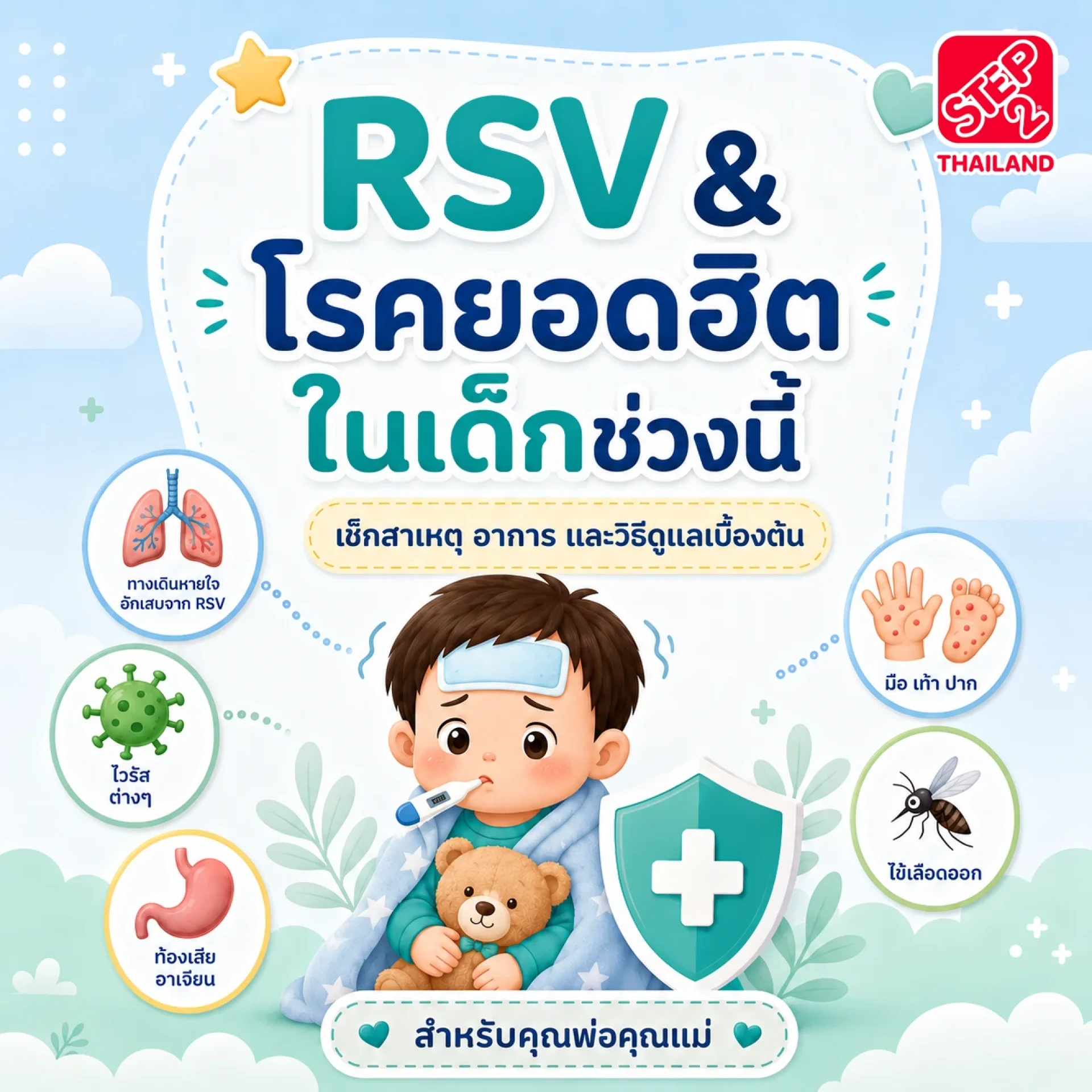
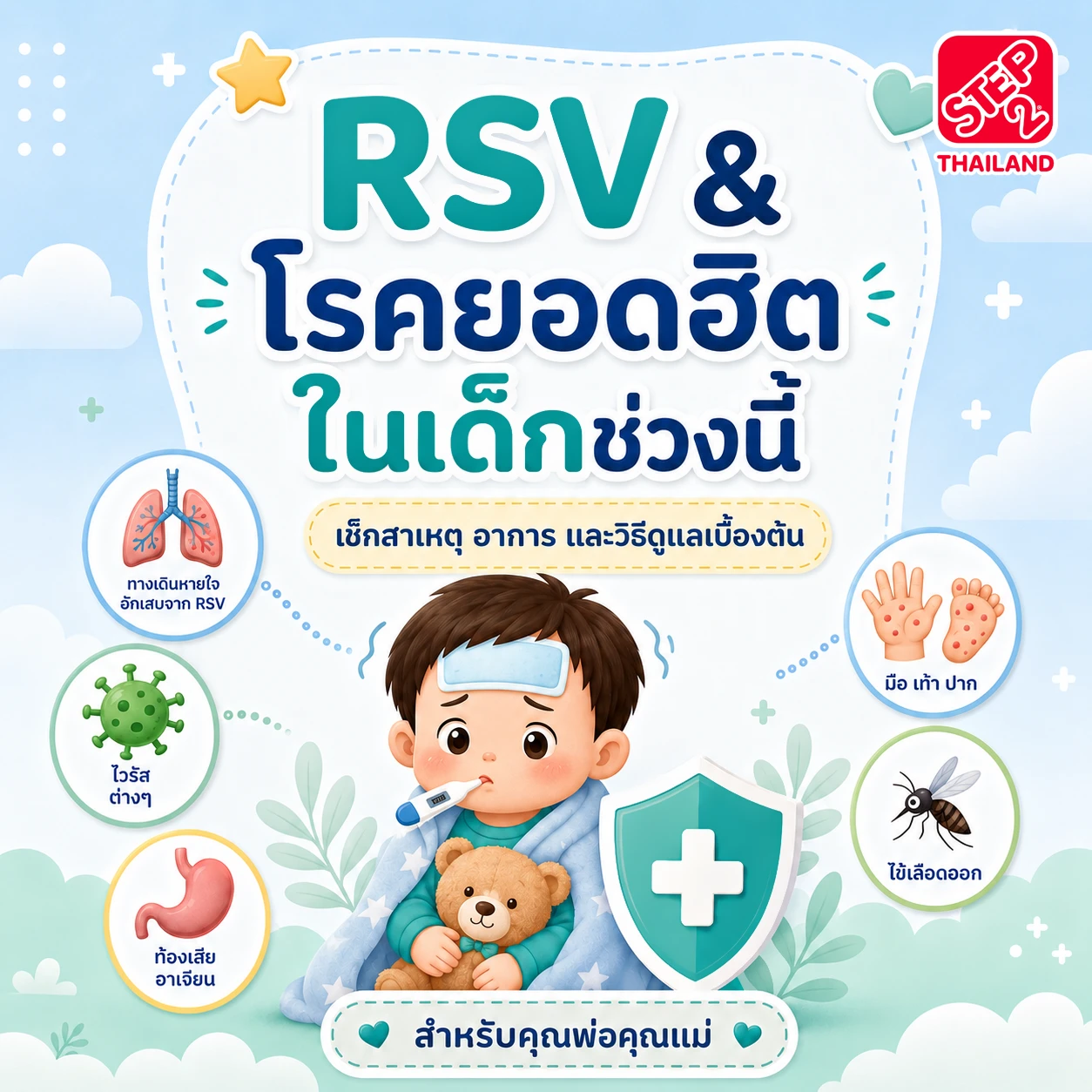
RSV and Common Childhood Illnesses: What Parents Should Watch For
During school terms and rainy seasons, children may be more exposed to common infectious illnesses such as RSV, influenza, hand-foot-mouth disease, diarrhea, and dengue fever. Understanding what each illness is, what causes it, common symptoms, and basic care steps can help parents respond more confidently.
This article is for general education only and does not replace medical diagnosis or professional advice.
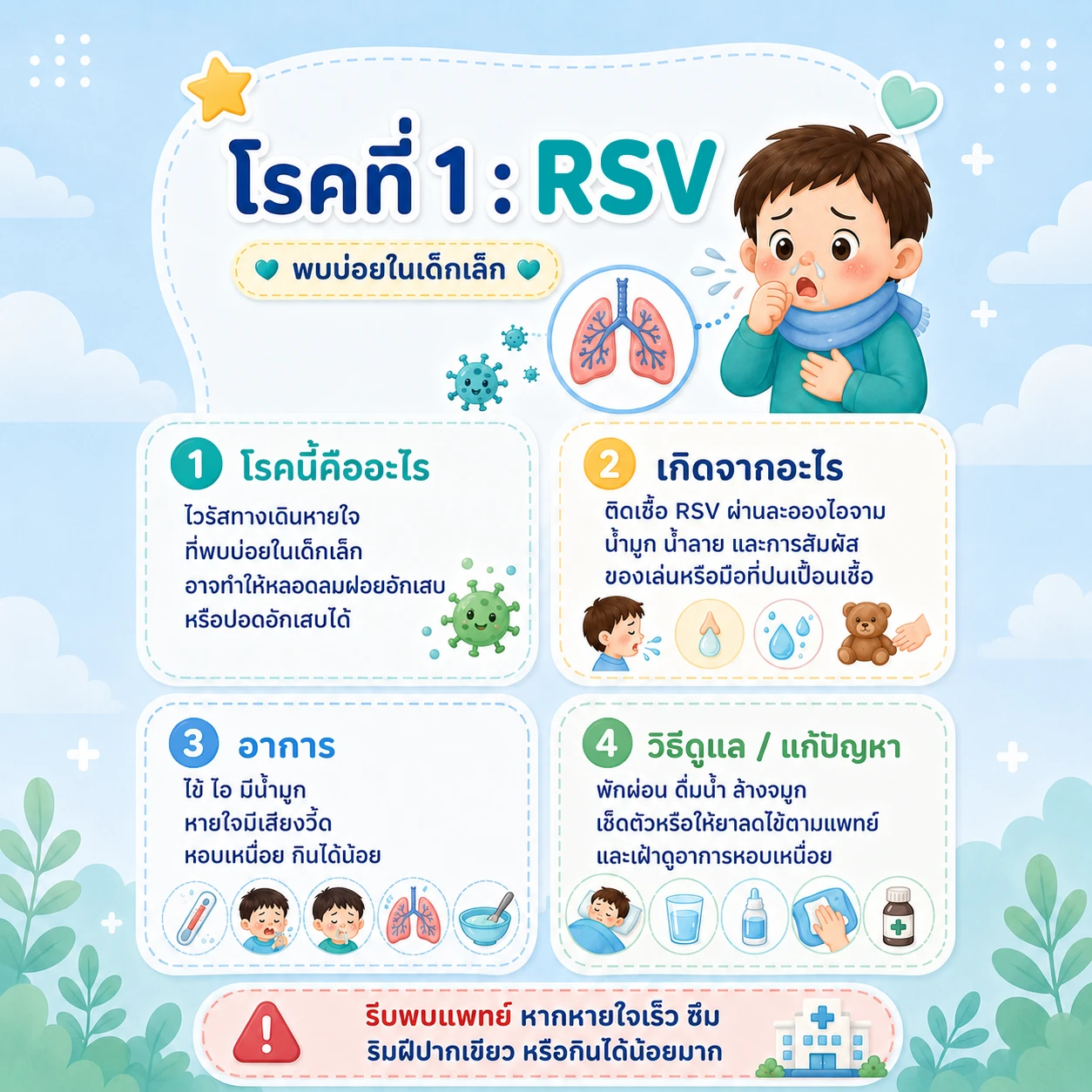
1. RSV in Young Children
What is it?
RSV, or Respiratory Syncytial Virus, is a common respiratory virus in young children. It can sometimes lead to bronchiolitis or pneumonia.
What causes it?
RSV spreads through cough and sneeze droplets, mucus, saliva, and contaminated hands or toys.
Symptoms
Fever, cough, runny nose, wheezing, shortness of breath, and poor feeding.
Basic care
Let your child rest, offer fluids, clean the nose, reduce fever as advised, and monitor breathing. Seek medical care if your child breathes fast, becomes unusually drowsy, has bluish lips, or eats very little.
indoor toys for toddlers, pretend play toys, kids activity table
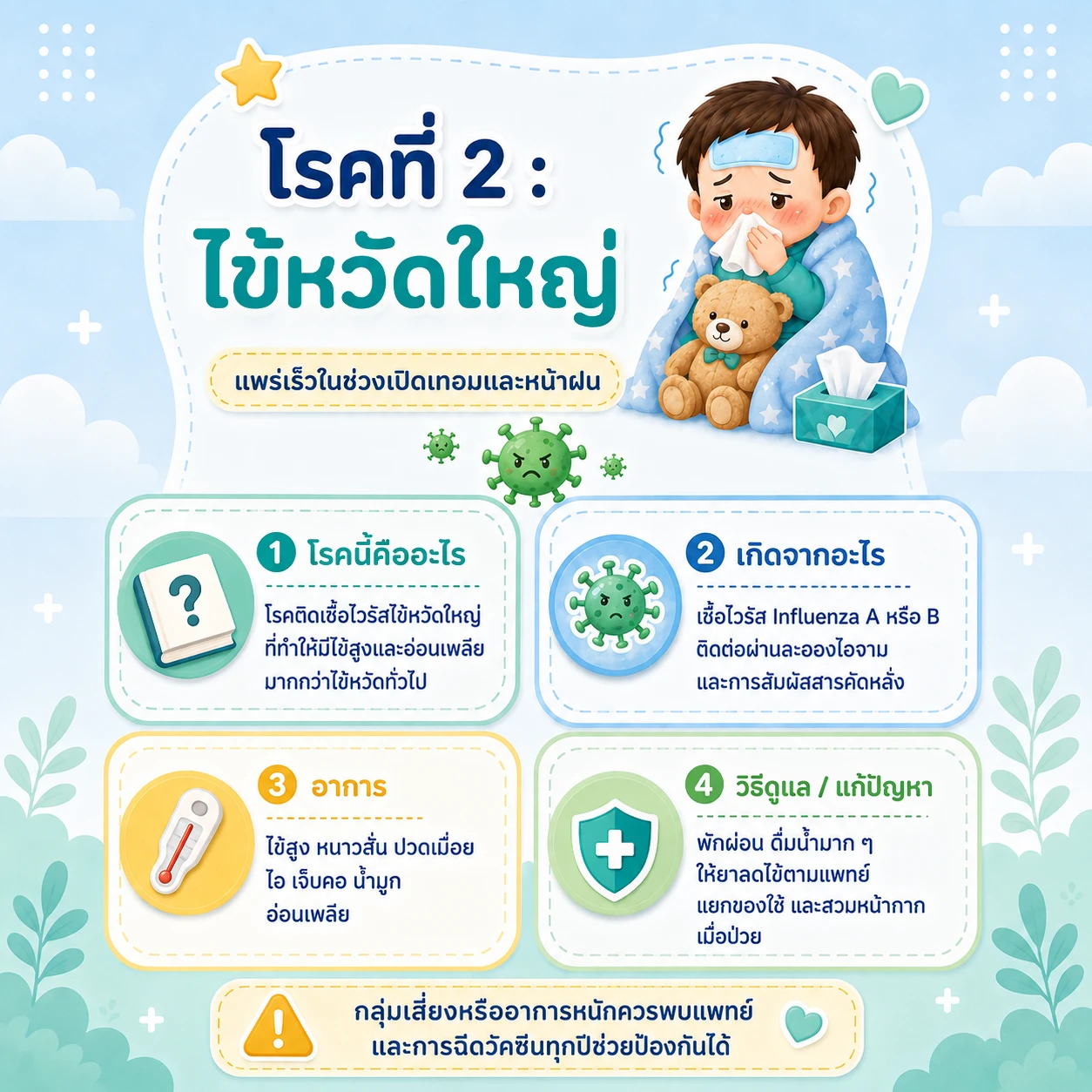
2. Influenza
What is it?
Influenza is caused by influenza A or B viruses. It often causes higher fever and more fatigue than the common cold.
What causes it?
It spreads through respiratory droplets and contact with secretions from an infected person.
Symptoms
High fever, chills, body aches, cough, sore throat, runny nose, and fatigue.
Basic care
Encourage rest, fluids, fever care as advised, separate personal items, wash hands often, and wear a mask when sick. Annual influenza vaccination may help reduce risk and severity.
indoor toys for kids, kids play kitchen, pretend play kitchen, imaginative play toys
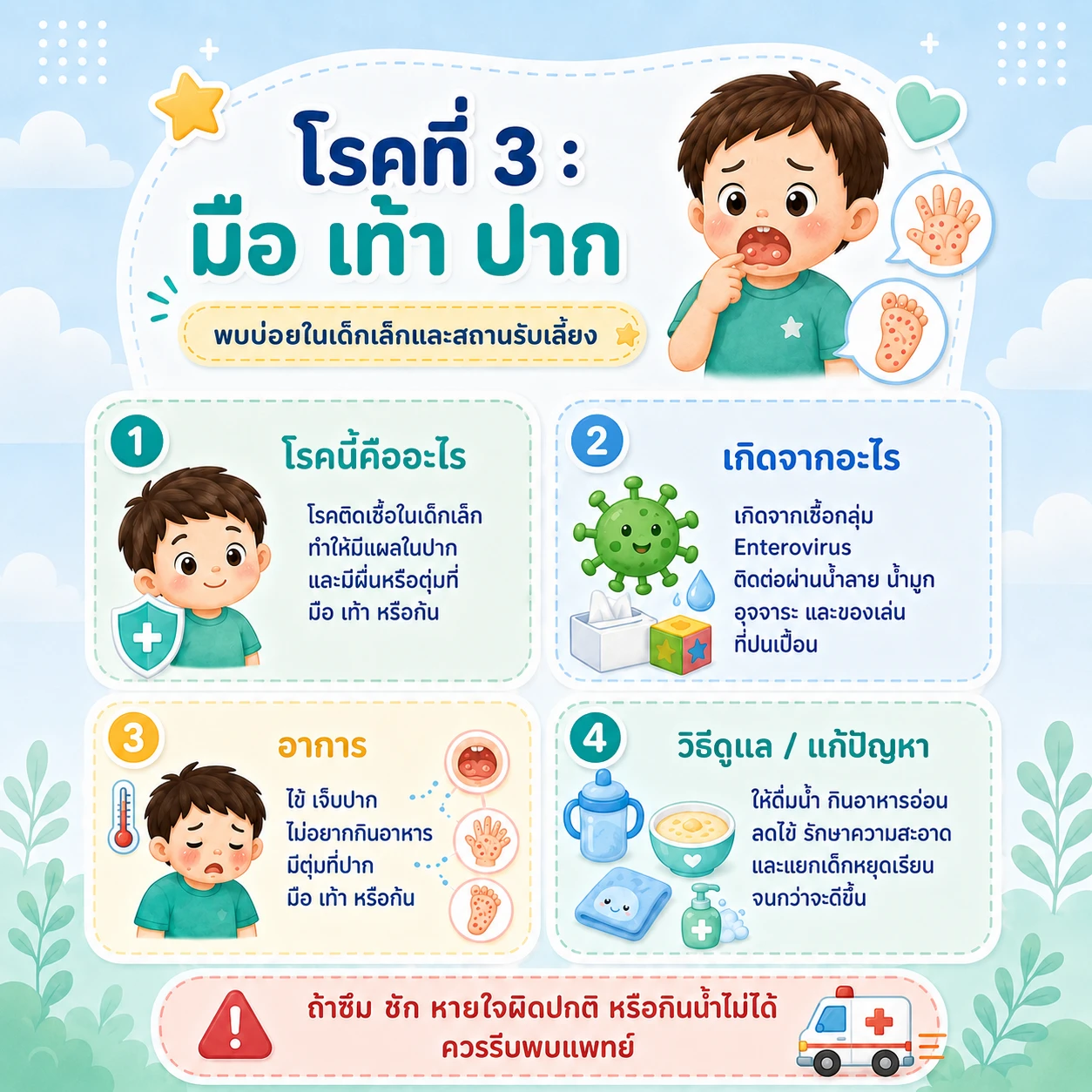
3. Hand-Foot-Mouth Disease
What is it?
Hand-foot-mouth disease is a common infection in young children. It can cause mouth sores and rashes or blisters on the hands, feet, or buttocks.
What causes it?
It is commonly caused by enteroviruses and spreads through saliva, mucus, stool, and contaminated toys.
Symptoms
Fever, mouth pain, poor appetite, mouth sores, and blisters on the hands, feet, or buttocks.
Basic care
Offer fluids and soft foods, reduce fever, maintain hygiene, and keep the child home until symptoms improve. Seek medical care if your child is drowsy, has seizures, abnormal breathing, or cannot drink.
easy to clean kids toys, plastic toys for toddlers, kids furniture, developmental toys
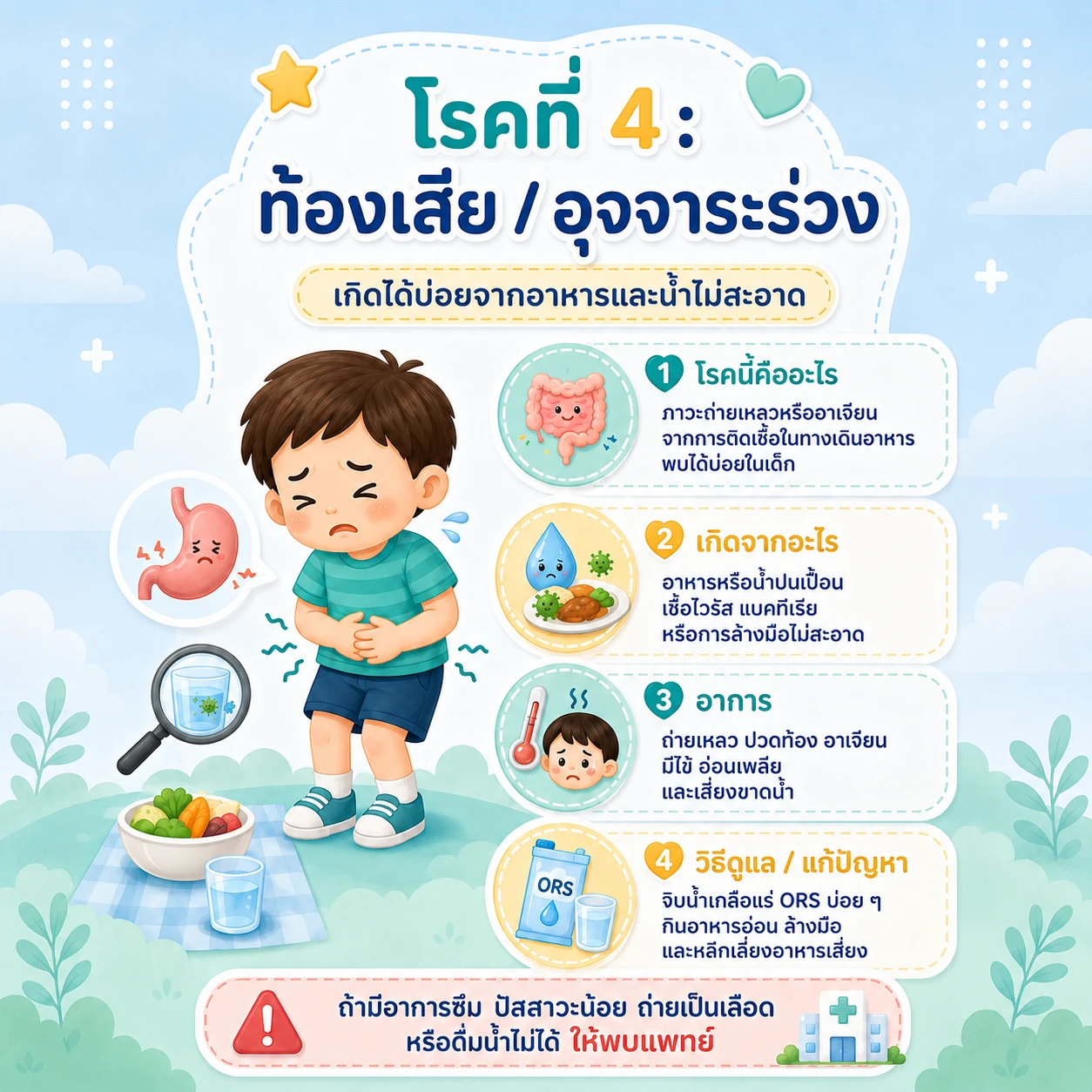
4. Diarrhea
What is it?
Diarrhea in children refers to loose stools or vomiting caused by gastrointestinal infection.
What causes it?
It can be caused by contaminated food or water, viruses, bacteria, or poor hand hygiene.
Symptoms
Loose stools, stomach pain, vomiting, fever, fatigue, and dehydration risk.
Basic care
Offer oral rehydration solution frequently, soft foods, handwashing, and avoid risky foods. Seek medical care if your child is drowsy, urinates less, has bloody stool, or cannot drink.
kids activity table, children’s table and chairs, indoor play furniture
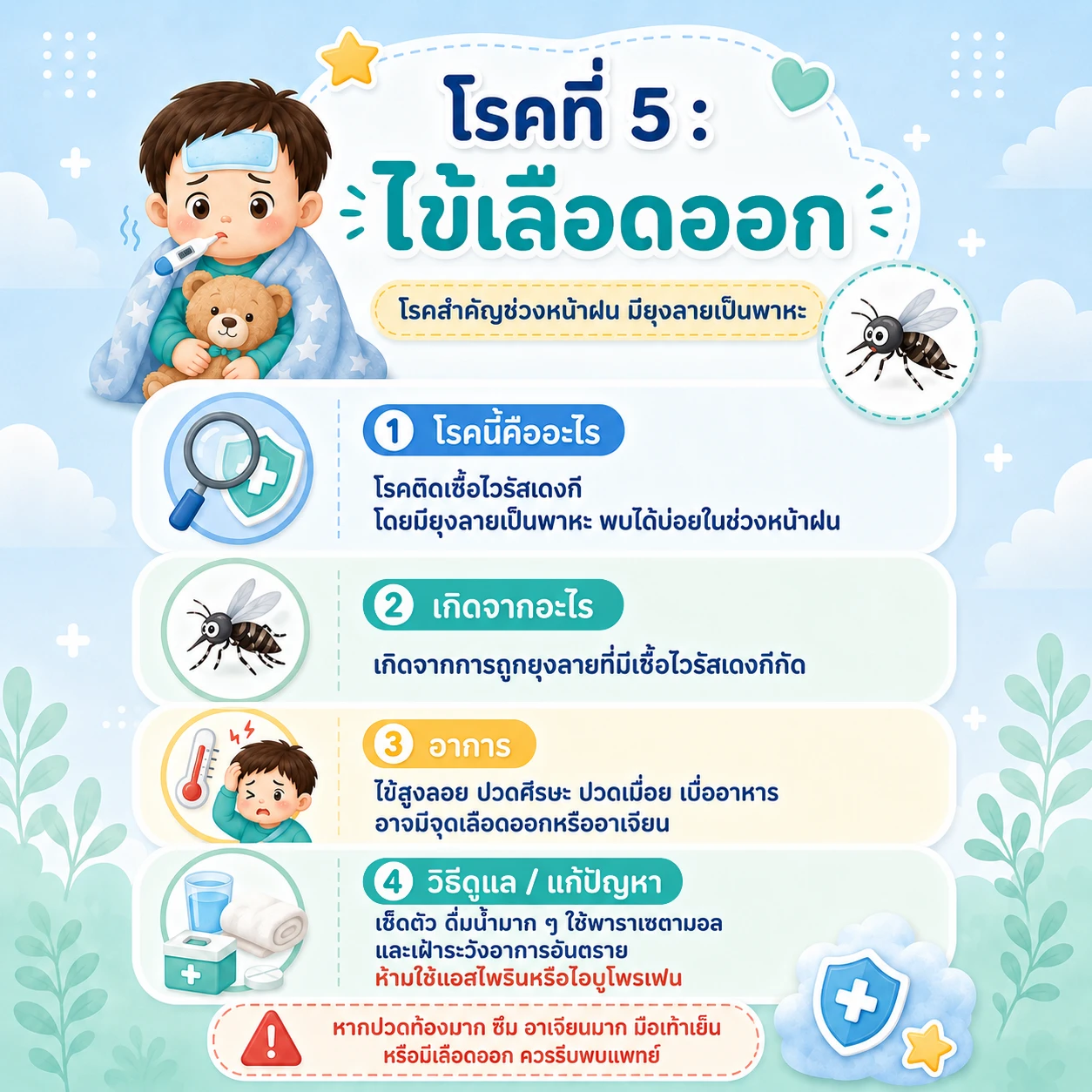
5. Dengue Fever
What is it?
Dengue fever is caused by the dengue virus and spread by Aedes mosquitoes. It is commonly associated with rainy seasons.
What causes it?
It occurs when a child is bitten by an Aedes mosquito carrying the dengue virus.
Symptoms
Persistent high fever, headache, body aches, poor appetite, vomiting, and possible bleeding spots.
Basic care
Tepid sponging, fluids, and paracetamol as advised may help. Avoid aspirin and ibuprofen. Seek urgent care if your child has severe abdominal pain, drowsiness, repeated vomiting, cold hands or feet, or bleeding.
Final Note for Parents
Many childhood illnesses begin with similar symptoms such as fever, cough, runny nose, fatigue, or poor appetite. However, warning signs such as breathing difficulty, unusual drowsiness, dehydration, cold hands or feet, or bleeding should never be ignored.
Alongside health care, rest, and hygiene, choosing age-appropriate toys can help children relax and continue learning through gentle play. Easy-to-clean indoor toys, pretend play toys, and developmental
Sources / References
Department of Disease Control, Ministry of Public Health
Used as a general reference indicating that common infectious diseases in children include several groups, such as hand, foot and mouth disease, common cold, influenza, diarrhea, etc. It also supports the importance of observing symptoms to screen and separate sick children from healthy children.
Department of Disease Control: Recent Common Disease Situation
Used to support the selection of content topics, such as influenza, diarrhea, pneumonia, hand, foot and mouth disease, and RSV, which were identified as among the diseases with a high number of reported cases during the past month.
Department of Medical Services, Ministry of Public Health: Rainy Season Diseases During School Reopening
Used to support information about influenza prevention, such as annual vaccination, handwashing, avoiding touching the eyes, nose, and mouth, and wearing a mask when sick. It also supports awareness of RSV in children during the rainy season.
Summary of Rainy Season Diseases in Children Based on Surveillance Data from the Department of Disease Control
Used to support the grouping of the five diseases featured in the content: hand, foot and mouth disease, RSV, influenza, diarrhea, and dengue fever, which are commonly found among school-aged children during the rainy season.
Department of Disease Control / Rainy Season Health News
Used to support information that respiratory diseases such as influenza should be monitored during the rainy season, along with hand, foot and mouth disease. Hand, foot and mouth disease can spread through saliva, mucus, or shared items. Therefore, regular handwashing and cleaning of toys and shared areas are recommended.